
What Is Breast Augmentation?
Breast augmentation is a surgical procedure performed for either aesthetic or reconstructive purposes. It is carried out by a qualified plastic surgeon under general anesthesia. While the minimum age is typically 18, in rare reconstructive cases (e.g. congenital deformities), surgery may be performed from age 15.
There are two main techniques:
- Breast implants (most common)
- Fat transfer (lipofilling) using your own body fat
Both offer safe, reliable results when performed by an experienced and licensed surgeon.
Why Choose a Certified Plastic Surgeon?
Choosing the right surgeon is crucial. In France, a plastic surgeon must hold a specialization in Plastic, Reconstructive, and Aesthetic Surgery (DESC), authorized by the National Medical Council (C.N.O.M.). Experience, certification, and patient communication are key.
Avoid clinics that offer cheap “surgery and vacation” packages abroad. These often come with:
- Unverified implant origins
- Poor pre-op evaluation
- Limited post-op care
- No health insurance coverage if complications occur
Your safety, follow-up care, and long-term satisfaction should always come first.
Avoid Breast Surgery Tourism: Don’t Risk Your Health for a Bargain
If you’re searching for the lowest price possible, you may come across travel agencies or websites offering “all-inclusive breast augmentation packages abroad.” While tempting, these offers often come with serious risks:
- Unverified implant origin and quality: In countries lacking strict medical regulations and certification bodies, there’s a real risk of receiving substandard implants—potentially even from untraceable sources like unregulated factories abroad.
- Lack of proper medical assessment: These low-cost packages often skip or rush through essential preoperative consultations and evaluations.
- Little to no post-operative follow-up: Once the surgery is done, there’s rarely reliable aftercare or medical support, leaving you vulnerable to complications.
- No insurance coverage: If you undergo surgery outside Europe, there is no reimbursement from French national health insurance or private health plans. You would need to cover all follow-up care and potential corrections yourself.
Saving a few thousand euros may seem appealing—but is it worth putting your health, safety, and results at risk?
When it comes to surgery, don’t gamble with your body. Choose experienced, certified professionals who provide trusted care before, during, and after your procedure.
Breast augmentation surgery: what happens during the pre-surgery consultation?
In general, we will see you at least twice before the operation, although this is not mandatory. The second consultation can be done at the clinic in your room before the operation.
During the first visit, as part of the preparation of your medical file, you will answer a detailed questionnaire. Information regarding any potential or previous health problems and your family, the type of medication used and any allergies are noted in detail. An examination will be performed including a morphological examination of the breasts, measurement of their size, examination of the mammary glands, thoracic muscles and skin (thin or thick).
We will summarize the data collected, the examinations performed and your wishes. This synthesis allows us to choose whether the breast augmentation will be based on lipofilling alone, implant placement or a hybrid technique (implants + lipofilling). In the case of implants, we select the type of breast implant that is best suited to your situation, the appropriate technique for its placement (behind the muscle or in front of it) and the location of the scars.
Then, together, in front of a mirror, we place test implants in a sports bra so that you have an idea of the final result on your silhouette. This is an essential moment that will help you choose the right implant size. Don’t forget to bring a tight-fitting T-shirt (we can lend you one if you don’t)
At the end of the consultation, we will give you an information sheet and a detailed estimate including our fees and those of the anesthetist, the costs of the clinic and the price of the prostheses by specifying their brand.
Afterwards, we may ask you to have a blood test and an imaging test (mammograms, ultrasound). Women over 60 years of age will be asked to undergo an examination by a cardiologist followed by a report (electrocardiogram, echocardiography) before the operation. In case of past urinary tract infections, a urinary ECBU test must be performed 2 to 3 days before the operation.
To give you time to reflect before making your final decision, the law states that your final decision and intervention can only take place within 15 days of the delivery of the quote.
If you choose to have your surgery performed by our team, our assistants will organize the procedure by booking the surgery date at the clinic, making an appointment with the anesthesiologist and giving you a pre- and post-op prescription (medication, bandages, bra). A clinic reservation fee of 1000 euros will be charged at this time.
During the second consultation, which is free of charge but optional, we answer any questions you may have, take pictures, and discuss the practical aspects to be considered before surgery.
Breast augmentation in Paris: advice and precautions before the operation
A pre-anesthetic consultation is necessary between 28 and 2 days before the procedure. The anesthesiologist will screen for possible risk situations and may ask you for additional tests.
For a breast augmentation, smoking cessation is required for at least 3 weeks before and 3 weeks after the operation. During the 10 days preceding the operation, it is not recommended to take any medication containing acetylsalicylic acid or Aspirin. We prefer that you stop taking the pill in the month surrounding the operation to limit the risk of phlebitis.
It is preferable to wax the armpits 7 days before the procedure, regardless of the location of the scars.
Before going to the clinic, prepare your bag. Don’t forget to pack your medications, bandages, sports bra, toiletries and a towel. To avoid touching your chest, take only clothes that easily open in the front (e.g. button down shirt).
Breast surgery in Paris: what happens during hospitalization and anesthesia?
In most cases, the procedure is performed under general anesthesia. In exceptional cases, local anesthesia may be used. It will be reinforced by tranquilizers introduced by intravenous infusion (neuroleptanalgesia).
Hospitalization varies from one day (ambulatory surgery) to one day and one night depending on the technique chosen.
In cosmetic surgery, breast augmentation acts on the shape and the base of the breasts.
It can eliminate “Ptosis” which is manifested by skin distension, sagging breasts and downward areolas.
It can also treat problems of dissymmetry or asymmetry (the inequality of volume between the 2 breasts).
A woman who decides to increase the volume of her breasts wants to enhance her bust and align it with the general morphology of her body.
Breast Augmentation in Reconstructive Surgery
In reconstructive plastic surgery, breast augmentation can serve several important purposes:
- Restore volume to breasts that are underdeveloped (hypotrophic) since puberty.
- Correct congenital absence of breast tissue (hypomastia or breast agenesis).
- Address congenital breast deformities, such as Poland syndrome.
- Improve the shape of the breast base in cases of tuberous or constricted breasts.
These procedures help patients achieve a more balanced, natural-looking chest and can have a significant positive impact on self-image and quality of life.
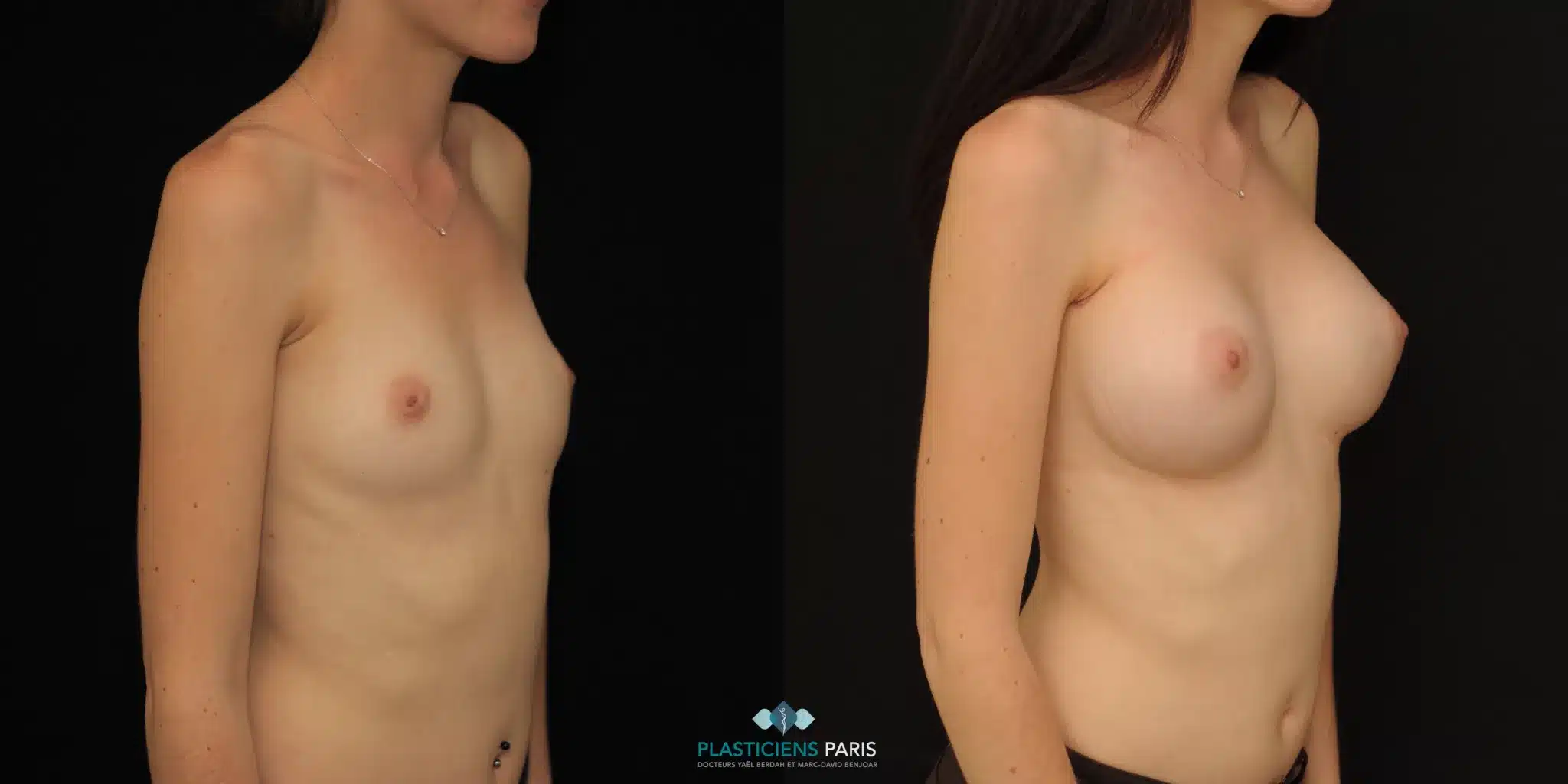
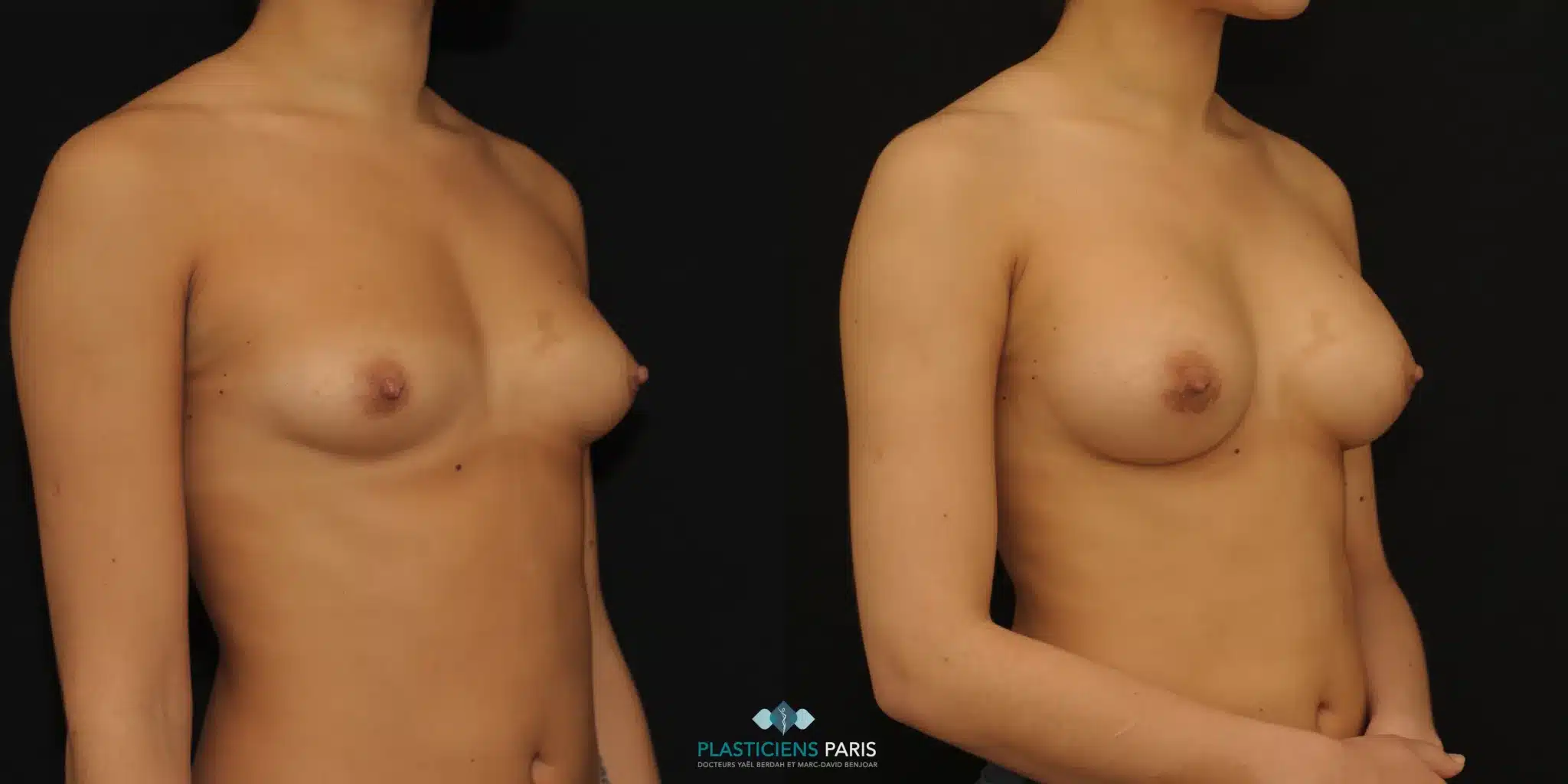
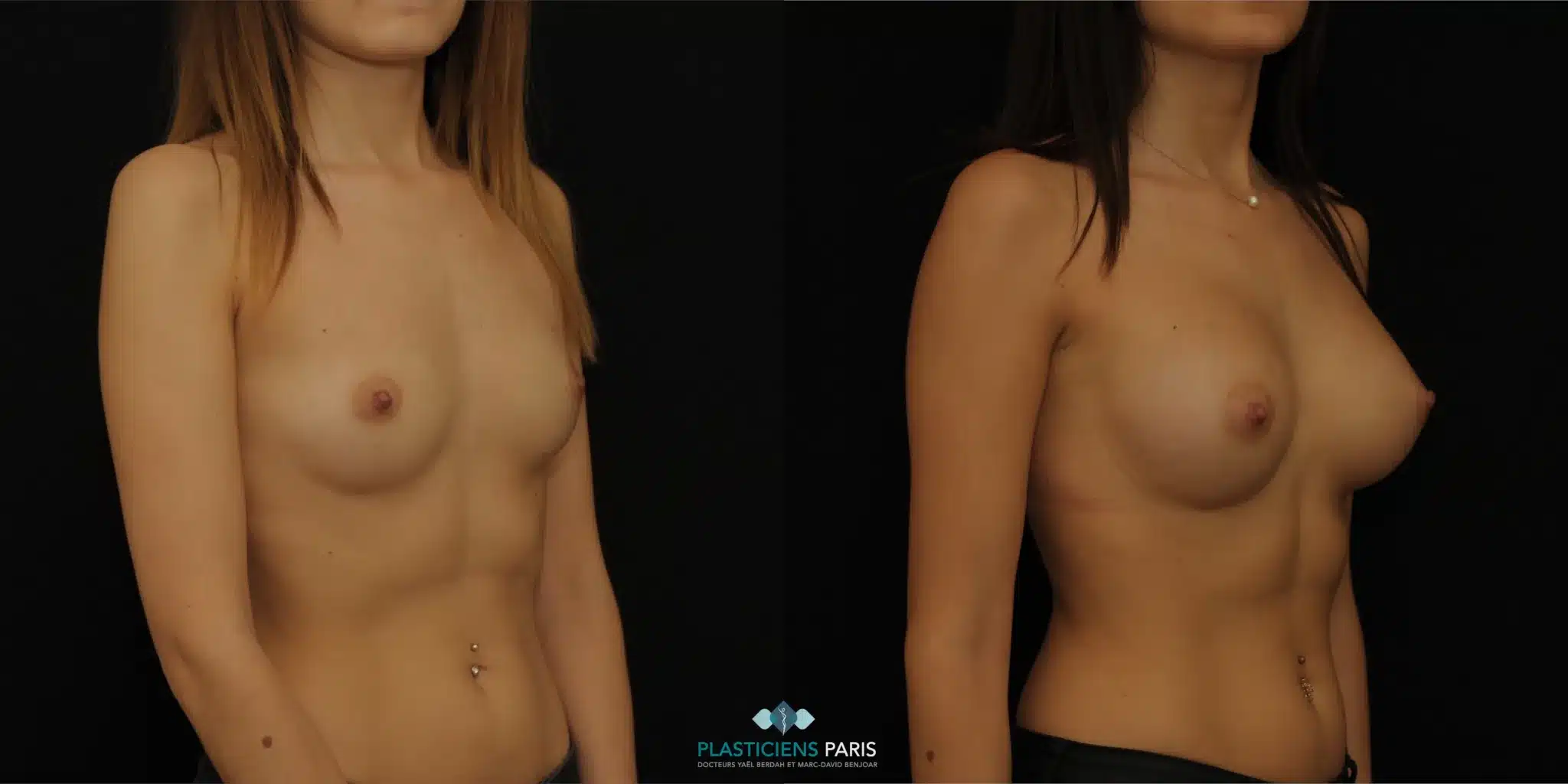
Breast augmentation in Paris: before-and-after results with implants or lipofilling
The results of breast augmentation, whether performed with implants or lipofilling, offer visible transformations tailored to each patient’s expectations. Whether you’re looking for a natural curve obtained with your own body fat or a more structured volume with breast implants, before-and-after photos illustrate the diversity and quality of possible results. Each technique offers its own specific advantage: a smooth, harmonious result with no foreign bodies with lipofilling, or a more pronounced, longer-lasting volume increase with implants.
Take a look at our two before-and-after photo galleries to get a concrete idea of the results you can expect, depending on the method you choose.
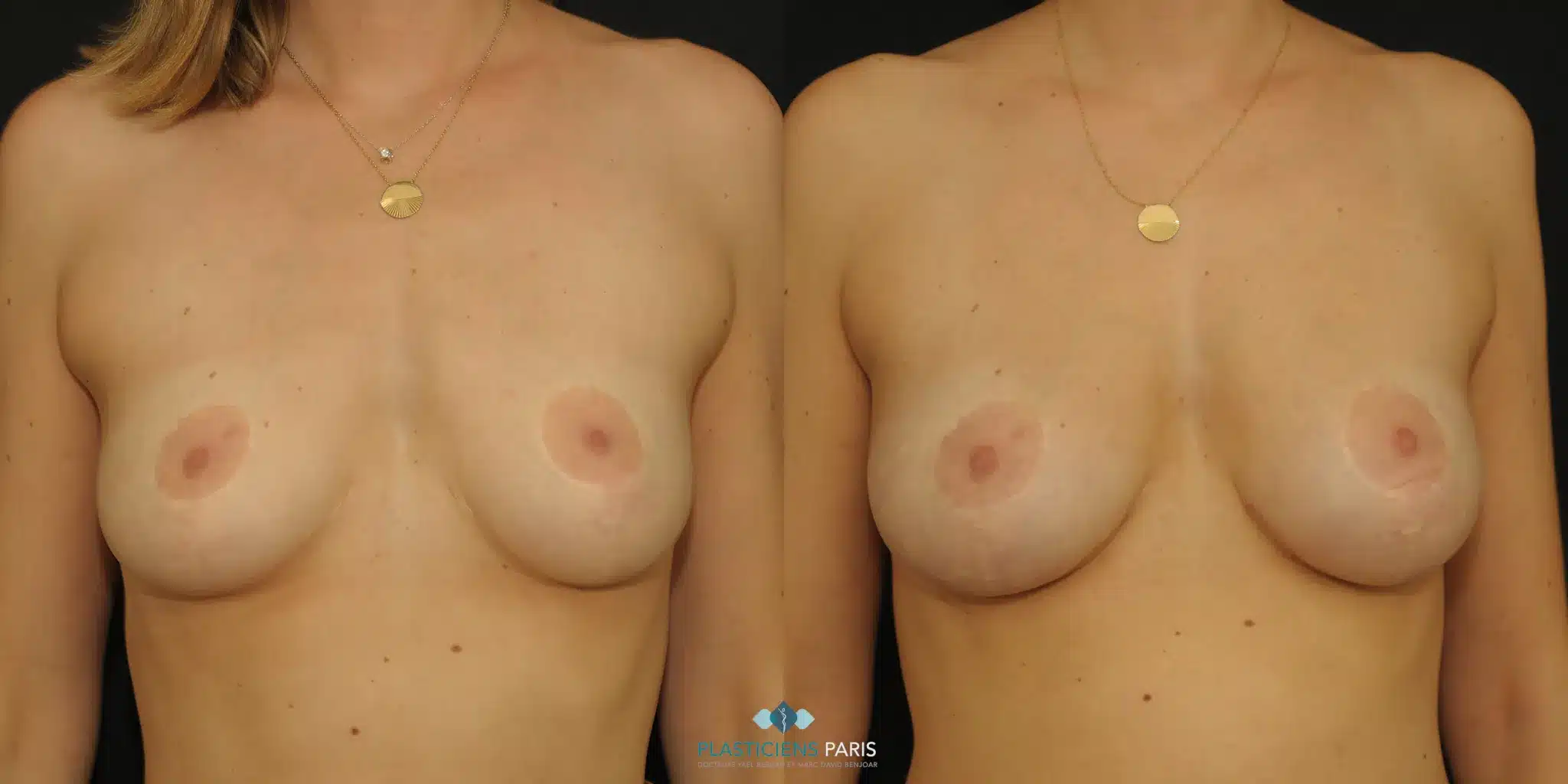
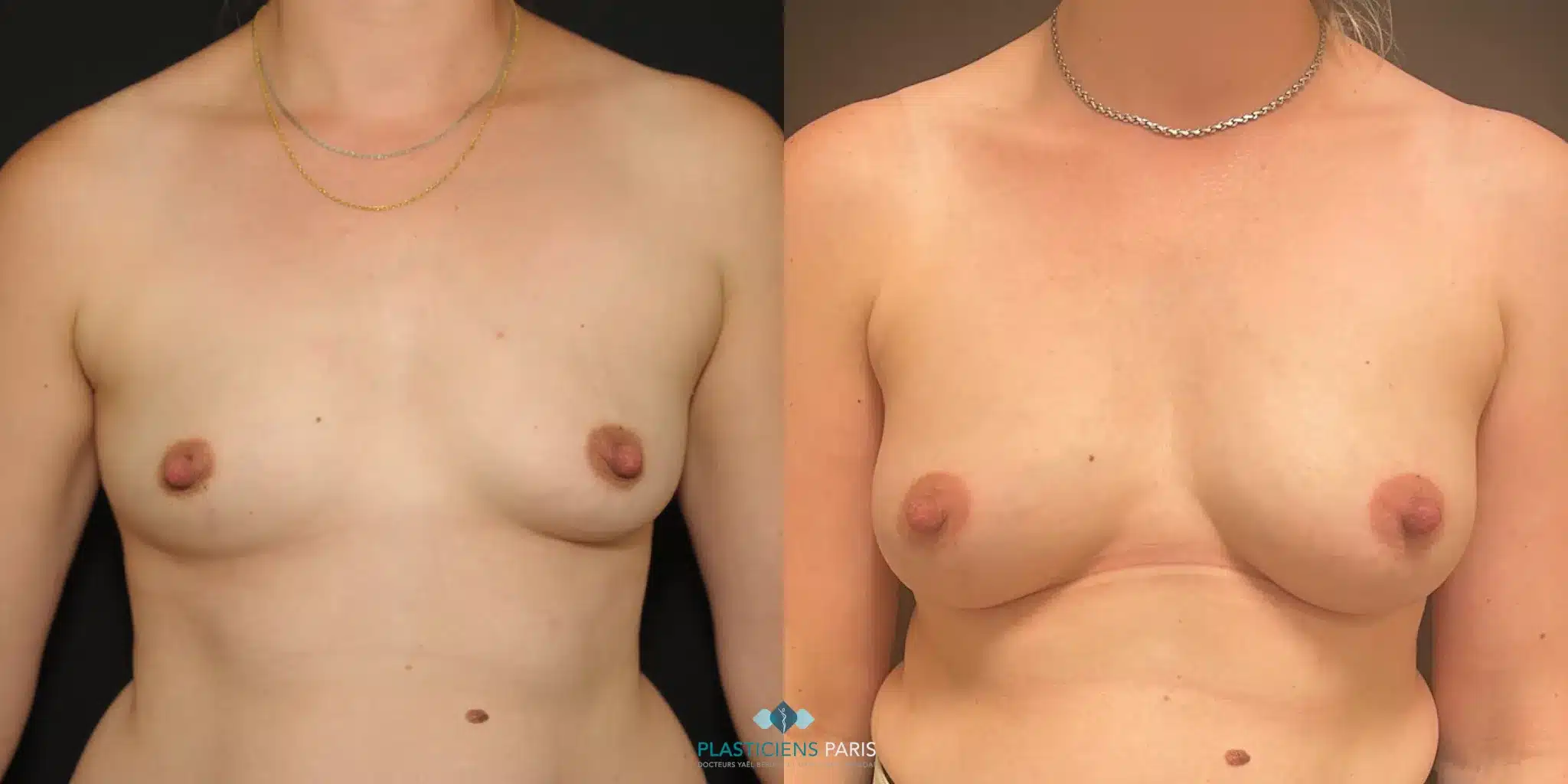
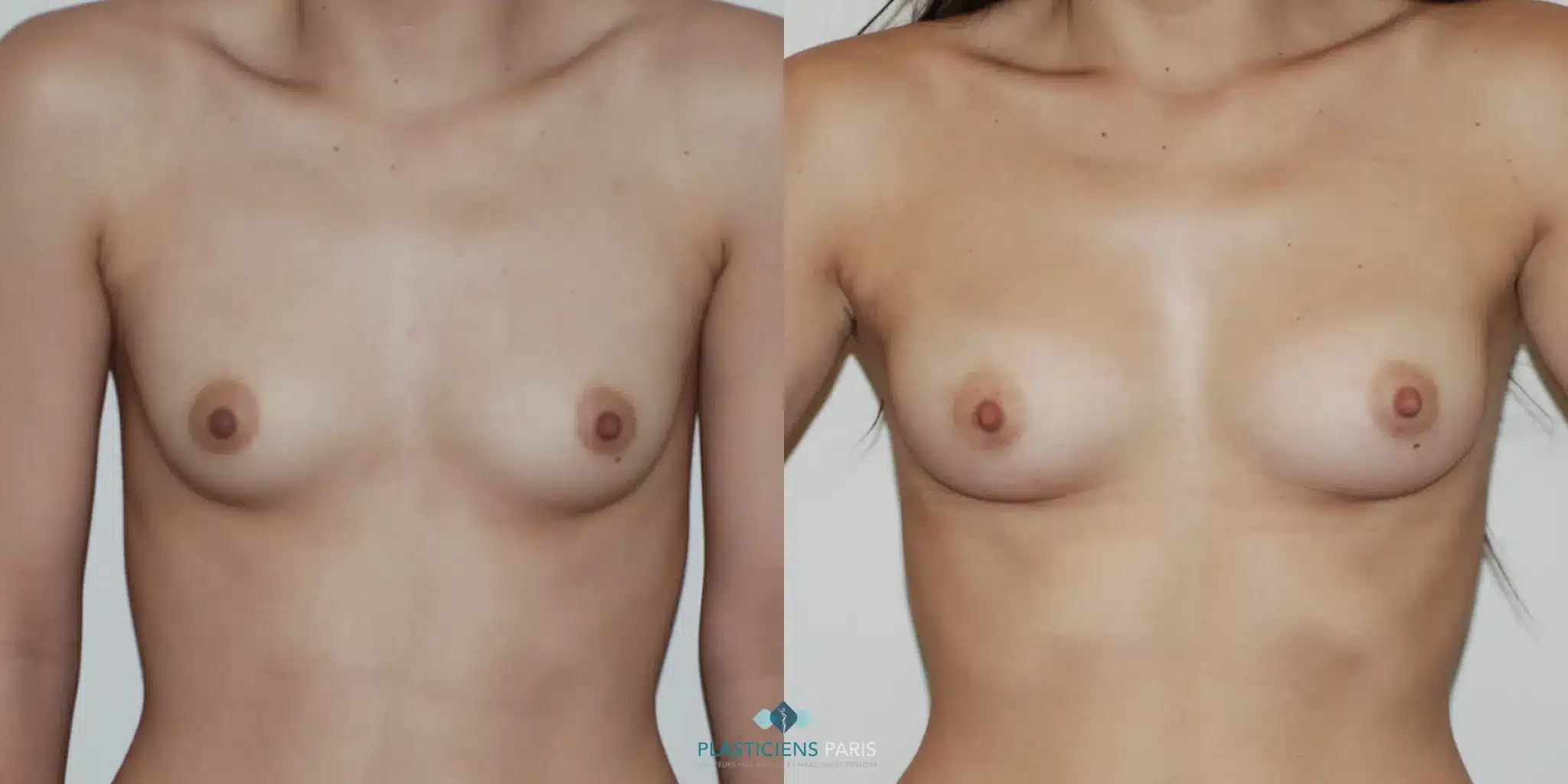
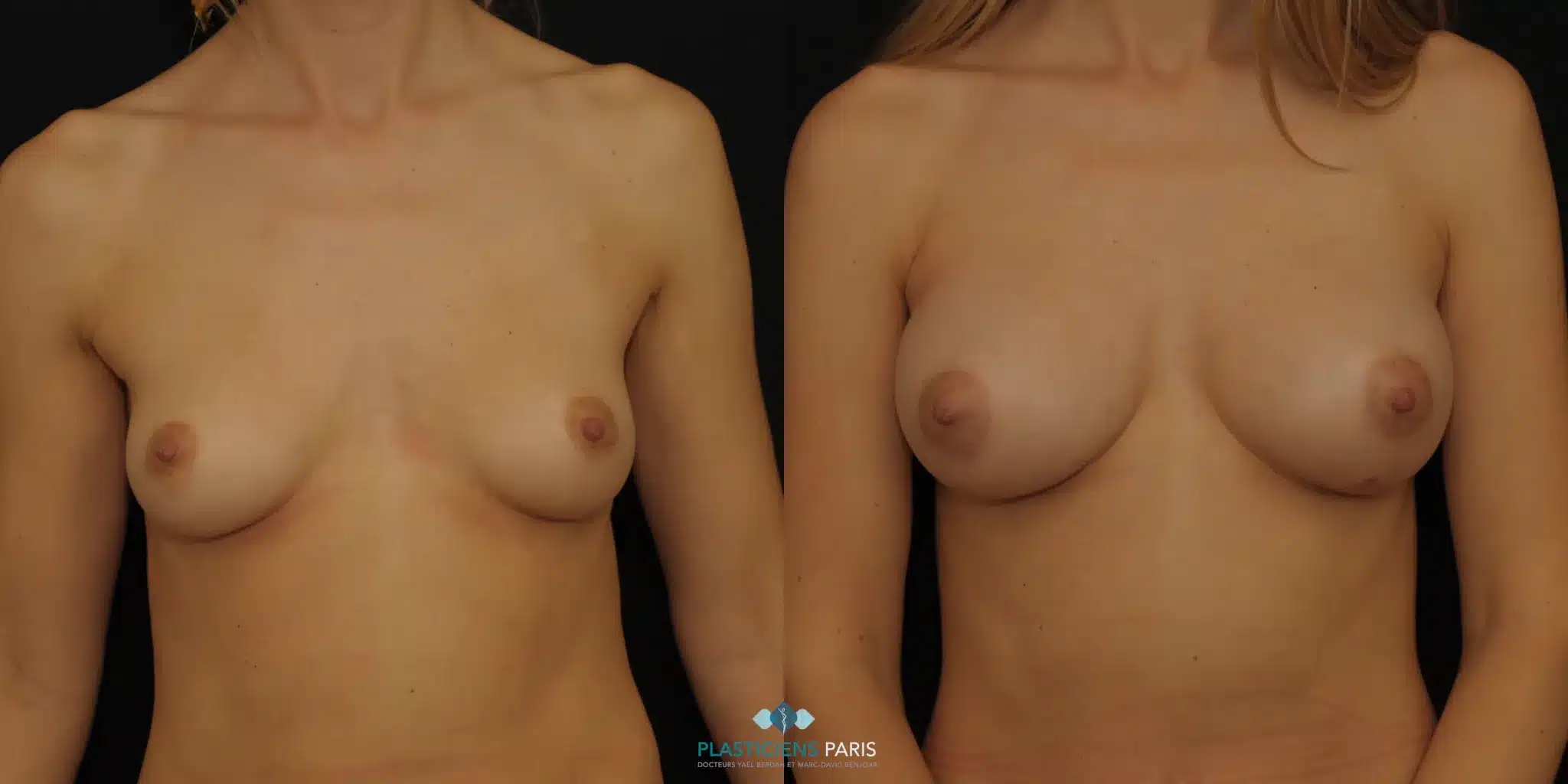
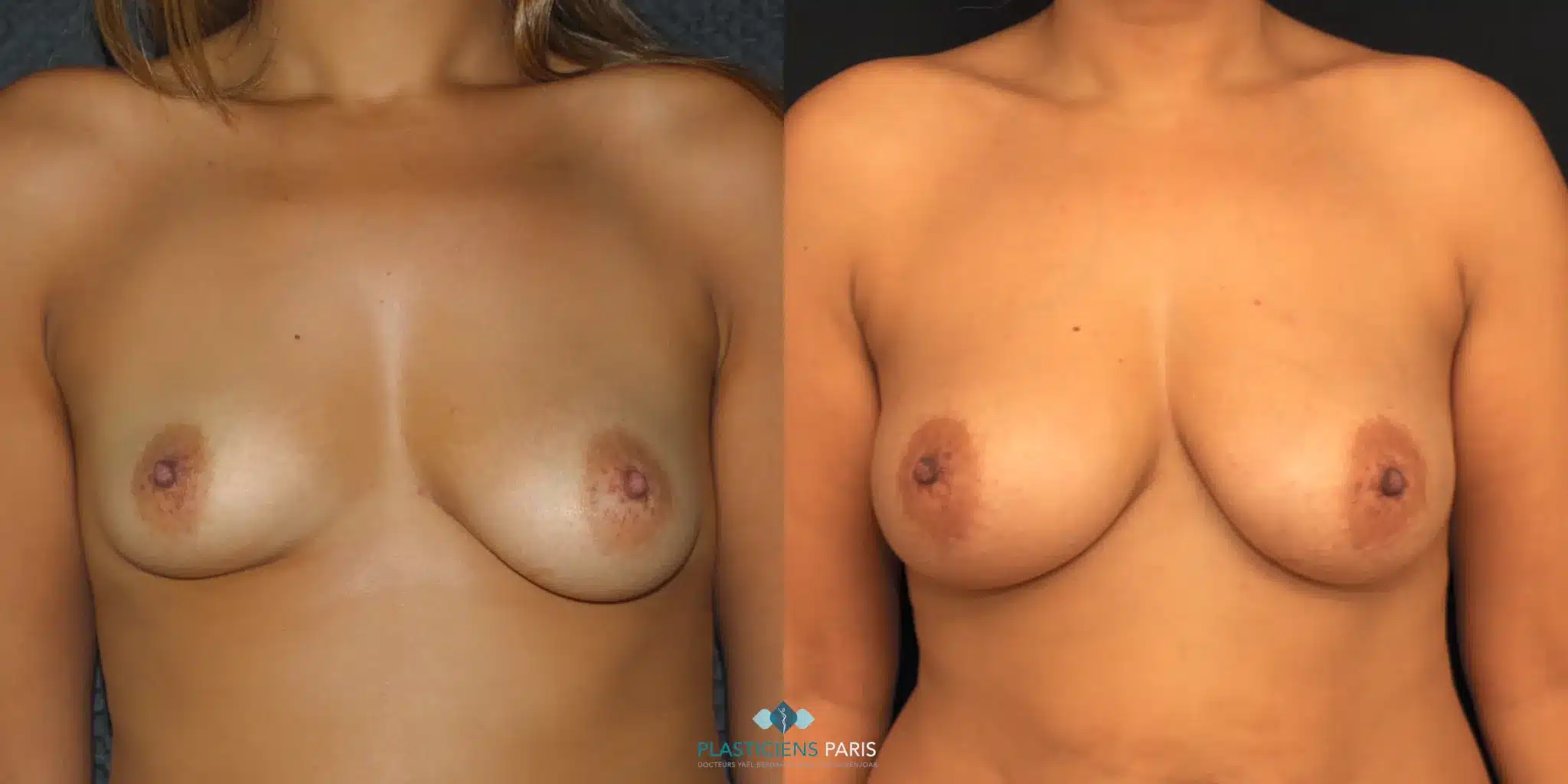
Visit our page to learn more about the before-and-after results of lipofilling breast augmentation.
Discover our before-and-after photos of breast augmentation with prosthesesYou can also take a look at the before-and-after results of breast augmentation with prostheses to learn more about the benefits of this procedure.
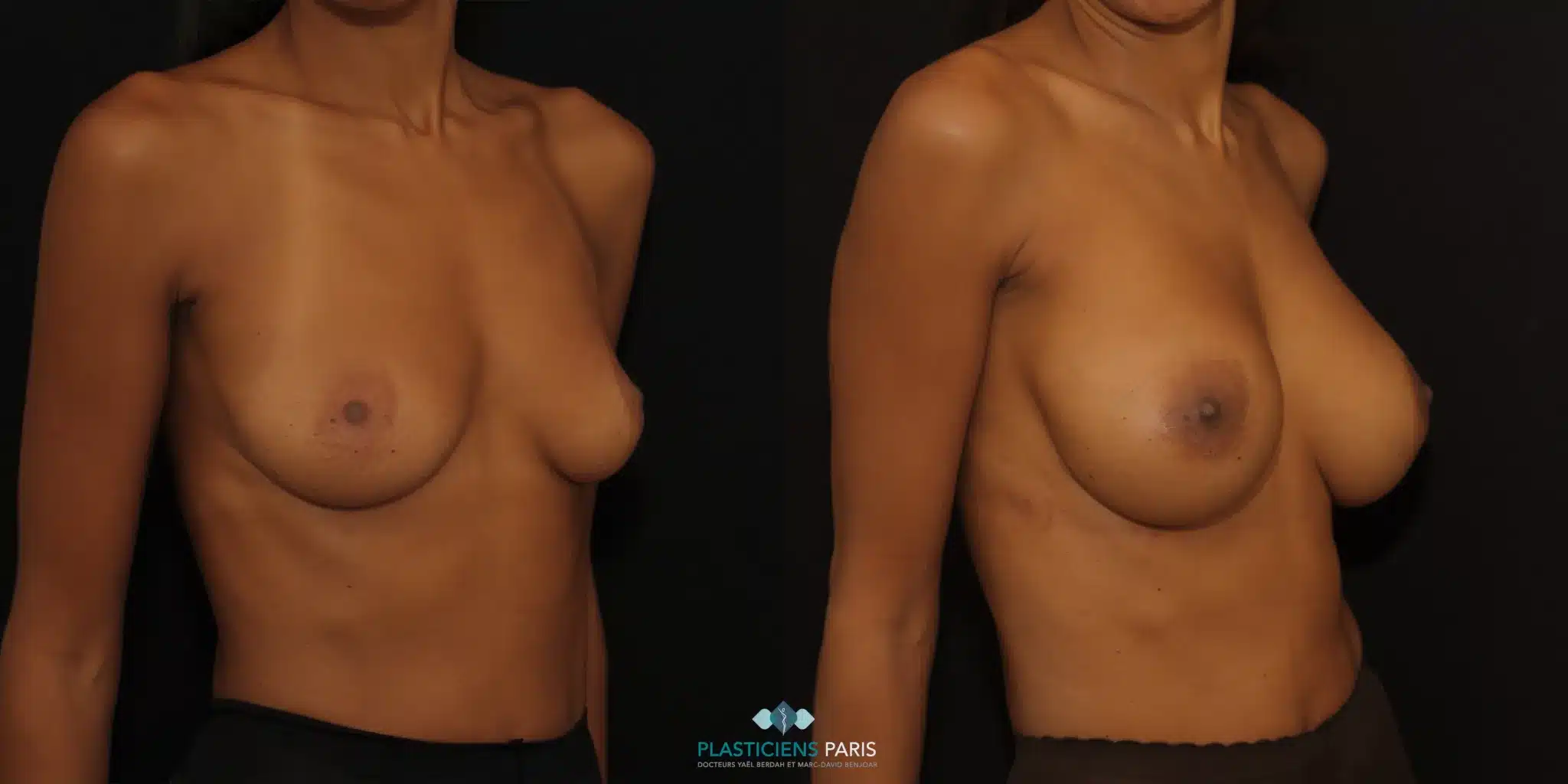
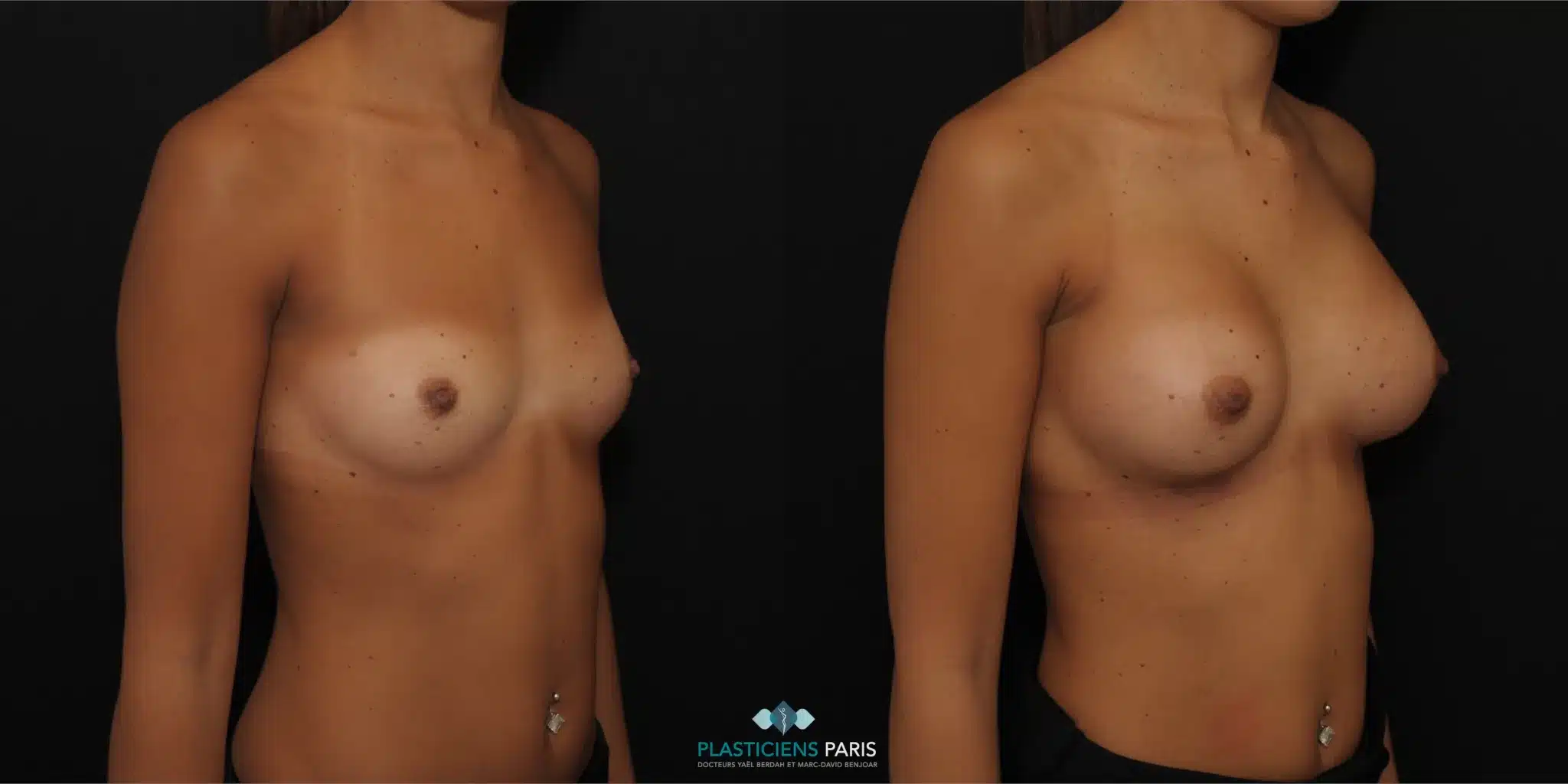
Where to go for a breast augmentation in Paris?
Drs Berdah and Benjoar welcome you for a breast augmentation consultation at 21 avenue d’Eylau – 75116 Paris France.
The secretary can be contacted at +33 1 56 91 16 10
To find out more about the procedure or the price of breast augmentation by prosthesis or lipofilling (fat injection), please contact us.
Find all the most frequently asked questions about breast augmentation on our dedicated page.
Pharmacy on call after breast augmentation surgery in Paris
After breast augmentation surgery, it’s not uncommon to need post-operative medication (painkillers, bandages, support bras, etc.). In the event of an emergency, or if your operation took place on the weekend, it may be useful to know the nearest pharmacy on call.
In Paris, pharmacies on call are listed on the official website www.3237.fr or can be reached by telephone by dialing 32 37. This service will direct you to the nearest open pharmacy, including at night and on Sundays and public holidays. Don’t forget to keep your post-operative prescription and your Carte Vitale handy, to make it easier for you to purchase any treatment you need.
How to minimize scars after breast augmentation in Paris?
Here are the best practices to adopt to promote aesthetic and discreet healing:
- Clean the scar daily with mild soap and water, without harsh antiseptics.
- Regularly moisturize the skin with a suitable healing cream or silicone bandage.
- Avoid sun exposure for at least 12 months, even on a closed scar (SPF 50+ recommended).
- Wear a support bra to limit tension on the tissues and promote healing.
- Don’t smoke: tobacco slows cell regeneration and increases the risk of complications.
- Gently massage the scar (after complete healing) to soften the skin and prevent adhesions.
By following these simple recommendations, you’ll optimize your chances of achieving a natural, harmonious result.
Which clinic should I choose for a breast augmentation in Paris?
Drs Benjoar and Berdah perform breast augmentations in two leading Parisian clinics, combining safety, comfort and state-of-the-art technology:
- Clinique de l’Alma
166 rue de l’Université, 75007 Paris
Located in the heart of the 7ᵉ arrondissement, this modern clinic offers a discreet and refined environment, ideal for care in complete serenity. - Clinique Eiffel
6 square Pétrarque, 75116 Paris
Nestled in a quiet district of the 16ᵉ arrondissement, Clinique Eiffel boasts state-of-the-art technical facilities dedicated to cosmetic surgery.
Both establishments ensure a high level of quality and personalized support before, during and after your procedure.